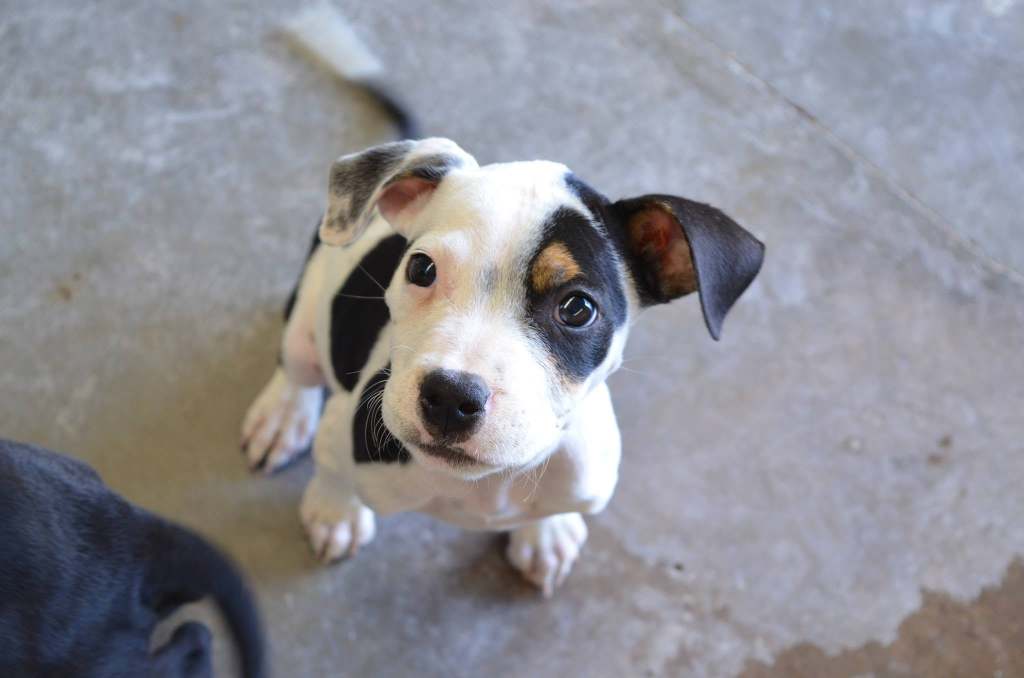
(Wrangler pictured above)
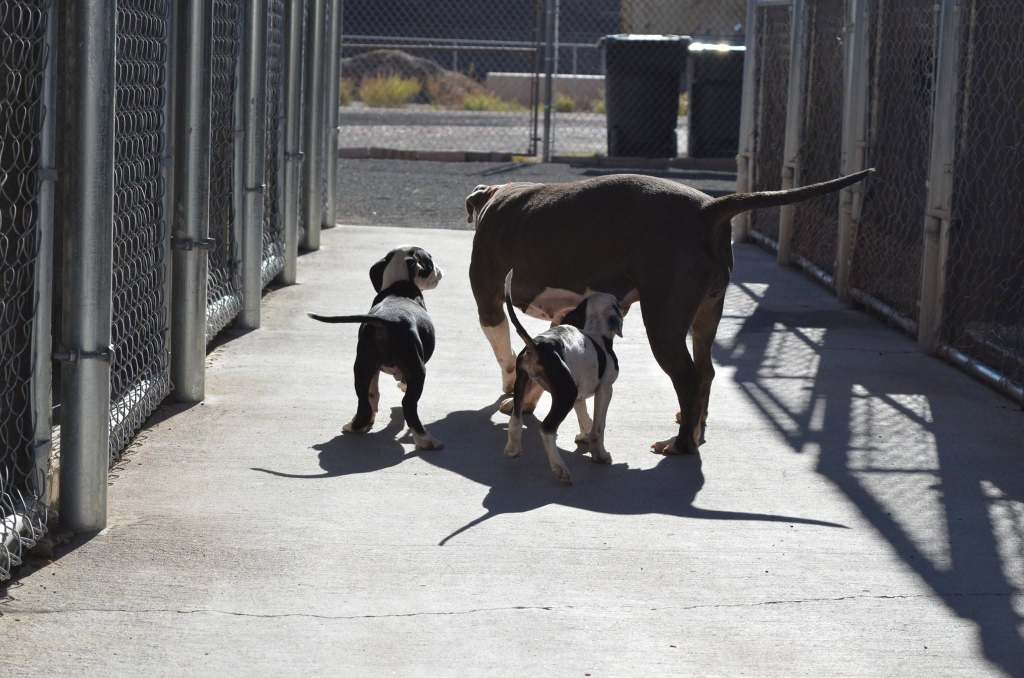
Meet Wrangler! Wrangler came from a backyard breeder who suddenly stopped feeding their animals. Our Holbrook ACOs confiscated the momma & 2 puppies. They were all very emaciated and unhealthy. Once in our care they flourished: we were able to get them fed, treated, fixed, and adopted.
This story is about overpopulation and unregulated pet breeding.
Puppies and Kittens are adorable, right? Everyone wants one! You may think “I should breed my pet and sell them for money!” Please…no.
What happens to those puppies and kittens? Some are abandoned and die because they are hit by cars, starve, or eaten by predators. Some are surrendered to us because folks can’t afford to feed all those animals. Some animals find a home, but then people decide they don’t want the grown animal; they were just in it for the cute baby animal. Those abandoned dogs and cats end up at the Animal Shelter.
We can prevent this by Spaying/Neutering our animals.
TIP: If you adopt a pet from our Holbrook Animal Shelter or from a rescue, the S/N surgery is usually part of the adoption cost.
Spaying or neutering your pet is one of the best ways to help reduce pet overpopulation and improve your pet’s health. Spayed and neutered pets are less likely to develop certain diseases, and they are often less likely to roam, fight, or mark territory. Most importantly, these procedures help prevent unwanted litters that can overwhelm communities and animal shelters. Every year, millions of cats and dogs enter shelters, and many never leave alive. Not all shelters have amazing groups (like us) helping them.
Before we, the Friends of the Holbrook Animal Shelter, came along, 80% of the animals at this shelter were killed. Now over 90% are adopted or rescued. Spaying and neutering gives existing animals a better chance of being adopted while reducing the overall number of homeless pets.
We also do our part by applying for grants and funding to cover the cost of TNR (trap, neuter, release) for our community cats to help limit the expansion of feral cats.
The number of animals that can be produced from just one pair of pets is astonishing.
Under ideal breeding conditions, a single pair of cats and their offspring can produce about 2,000 descendants in only 18 months. Over several years, one un-spayed female cat and her offspring can contribute hundreds of thousands of kittens, while one un-spayed female dog and her offspring can produce tens of thousands of puppies.
We, the Friends of the Holbrook Animal Shelter have a few tips for you:
- Avoid adopting from backyard breeders! Many of these unregulated breeding operations lead to animals with heartbreaking and costly health issues.
- Adopt from a local rescue or our Holbrook Animal Shelter! We include the cost of fixing you pet in the adoption fee, and we make sure they’re covered for their shots and vaccines so you know they’re protected.
- Mutts love is real! We see a trend of mutts and mixes being generally more more healthy than purebreds, so come to our shelter to find a pal for life!
- Fix your pets! Call our shelter and ACO to talk about spaying your female dogs & cats, or neutering your male dogs & cats. We may have funding available.
- Donate to the Shelter an help sponsor community S/N vouchers. The #1 reason folks don’t spay or neuter their pets is they can’t afford it, but they also cannot afford the litters and downstream costs of NOT fixing their pets…
Help us help the animals in our community and prevent tragic situations like Wrangler’s.


Leave a comment